Dr. Tanya Lea has spent
a lifetime trying to
understand people.

Never to label them. Always to understand what shapes us, what drives us, and what motivates us.

Across military service, leadership, mental-health education, transformational coaching, and her own lived experience, Dr. Tanya Lea has spent decades exploring the complexity of human behavior and what makes meaningful change possible.

Her work continues to be guided by one enduring question: What is really driving the patterns we see on the surface?

Dr. Tanya Lea, Mind-Body Medicine Practitioner

Understanding people meant
understanding adaptation.

Dr. Tanya Lea didn't only study human behavior. She lived it, led through it, and kept asking questions.

Her path has taken her through military service, government, corporate leadership, and decades of working with people in high-pressure environments where resilience, communication, adaptability, and trust mattered.

She learned how capable people rise to difficult circumstances. How we adapt. How we push through. How we lead when the answer isn't obvious.

She also learned something equally important:

The ways we learn to succeed, protect ourselves, and keep moving can become patterns of their own.

That realization changed the questions she began asking. Not simply, “How do we perform better?”

What shapes the way we respond? What are we carrying forward? And what becomes possible when we understand it?

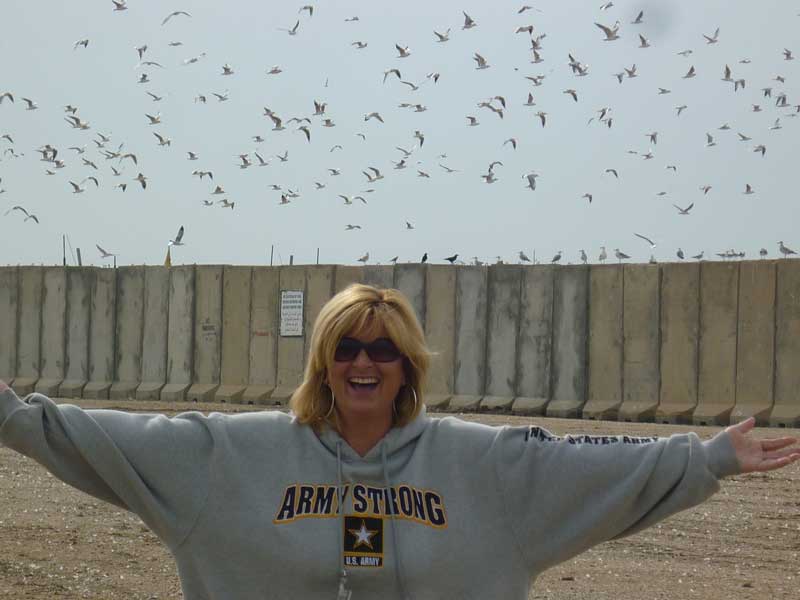
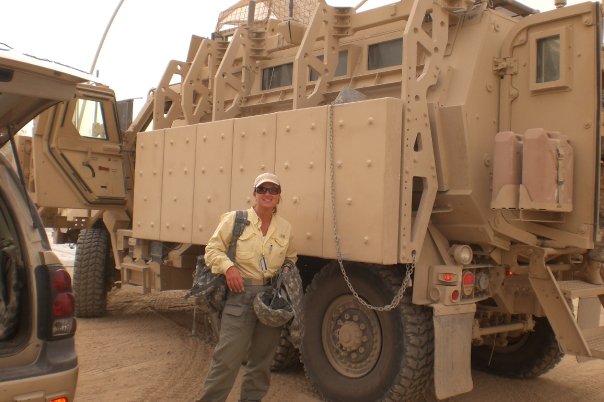
Dr. Tanya Lea standing next to an MRAP during military service
Dr. Tanya Lea

Being able to push through
doesn't always mean we should.

Strength can carry us a long way. Awareness helps us recognize when the way we've been carrying it needs to change.

Dr. Tanya Lea knew how to keep going. Through military service, leadership, difficult experiences, personal challenges, and significant health concerns, she learned how to adapt, perform, and move forward.

For a long time, that ability served her well.

Until there came a moment when pushing through was no longer enough.

For Tanya, that moment came from the floor of a hospital room.

Nearly three decades after experiencing a sexual assault during her military service, she found herself screaming about what had happened twenty-nine years earlier.

Twenty-nine years.

She had built a life. Led people. Earned degrees. Built a career. Raised a daughter. Kept moving forward.

Yet something from decades earlier was still capable of becoming profoundly present.

That changed the question. It was no longer simply, How do we get through difficult things?

It became: What happens to the experiences we move beyond intellectually but have not fully processed? How can something from decades ago continue to influence what we think, feel, and experience in the body? What else might be operating beneath our conscious awareness?

Those questions changed the direction of her life and work.

Tanya became deeply interested in the relationship between our experiences, beliefs, memories, learned responses, nervous system, emotions, and the body, and in understanding why insight alone does not always create change.

That became her why.

To help people become consciously aware of what may be operating beneath the patterns they can already see, so they have greater understanding, greater choice, and the possibility of responding differently.

What has been does not have to determine what comes next.
Change is possible.

The questions became deeper.
So did the work.

What began as personal curiosity became years of intentional study across human behavior, mental health, transformational coaching, beliefs, nervous-system and somatic awareness, NLP, bioenergetics, and mind-body approaches.

Dr. Tanya Lea wasn't searching for one modality or one explanation. She was trying to understand the whole person.

How do our experiences shape what we believe? How does the body participate in what we experience? Why do familiar responses persist even when we understand them intellectually? What helps awareness become meaningful change?

Each discipline offered another lens. None explained the entire human experience on its own.

That realization became foundational to her work today:

We are more than a thinking mind. And meaningful change rarely happens through a single lens.

The body belongs
in the conversation.

We are more than what we think.

Today, Dr. Tanya Lea's work reflects the understanding that human experience does not happen only in the mind.

What we think and believe matters. What we feel matters. Our experiences matter. How the nervous system and body respond matters. The patterns we have learned and the ways we have adapted matter.

Understanding the whole person gives us more information about the pattern.

That is why her work moves beyond insight alone. It invites us to become curious about the relationship between what we think, what we feel, what we experience, and what happens within the body.

The body isn't the whole story. It is part of the story.

She knows, from the
inside out.

She knows what it feels like to look completely capable on the outside while struggling quietly on the inside.

She knows what it feels like to lose herself trying to hold everything together for everyone else.

She knows what it feels like to understand something intellectually and still find herself repeating a familiar response.

And she knows what becomes possible when we stop judging the pattern and start understanding it.

If something here feels familiar,
we don't have to know exactly what needs to change before we begin.

Awareness gives us somewhere to start.

What Dr. Tanya brings
to the work.

Dr. Tanya Lea brings together advanced education, decades of leadership, transformational coaching, mental-health training, mind-body practices, and complementary energy approaches to understand human behavior through more than one lens.

Her work is grounded in a simple principle: We are more than a thinking mind.

01

Human Behavior + Transformational Coaching

As an IAP Certified Life Coach with advanced training in Neuro-Linguistic Programming (NLP), Dr. Tanya draws from human behavior, coaching, belief work, and decades of experience working with people to explore how experiences, perspectives, and learned patterns influence the way we think, respond, and make choices.

02

Nervous System + Somatic Awareness

Her work brings attention to the body's responses alongside thoughts and emotions. Somatic and mind-body practices, including training in sound healing, offer additional ways to notice what we experience beyond intellectual insight alone.

03

Mental Health + Human Behavior

Dr. Tanya holds a Master’s in Mental Health Counseling from the University of Phoenix, providing graduate-level grounding in mental health and human behavior.

She practices as a coach, not a licensed therapist, and does not diagnose or provide psychotherapy.

04

Leadership + Organizational Management

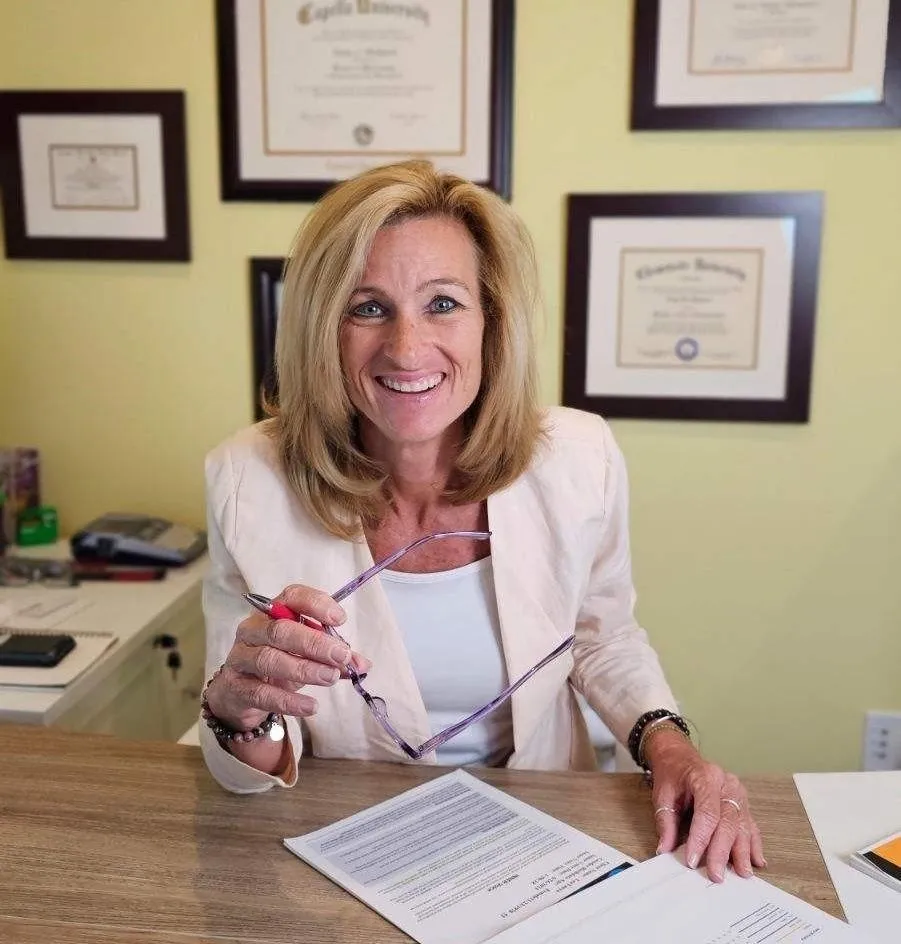
Dr. Tanya holds a PhD in Organizational Management from Capella University and an MBA in Project Management from the University of Phoenix. Her education is complemented by decades of military, government, corporate, project-management, and people-leadership experience.

Together, these perspectives inform her understanding of leadership, resilience, communication, performance, adaptation, and change in complex environments.

05

Belief Work + Energy Approaches

Dr. Tanya's complementary training includes The Emotion Code®, The Body Code™, The Belief Code®, PSYCH-K®, and Usui Reiki, including Reiki Master training through Healing Today.

These approaches provide additional frameworks for exploring beliefs, emotional experiences, learned patterns, self-awareness, and the mind-body connection.

06

Bioenergetics

As a Certified Bioenergetic Practitioner, Dr. Tanya uses bioenergetic tools as a complementary approach for exploring patterns through an energetic framework and expanding awareness of the mind-body experience.

Bioenergetic assessments are not medical diagnostic tests and do not replace medical or mental-health care.

Featured
in Print.

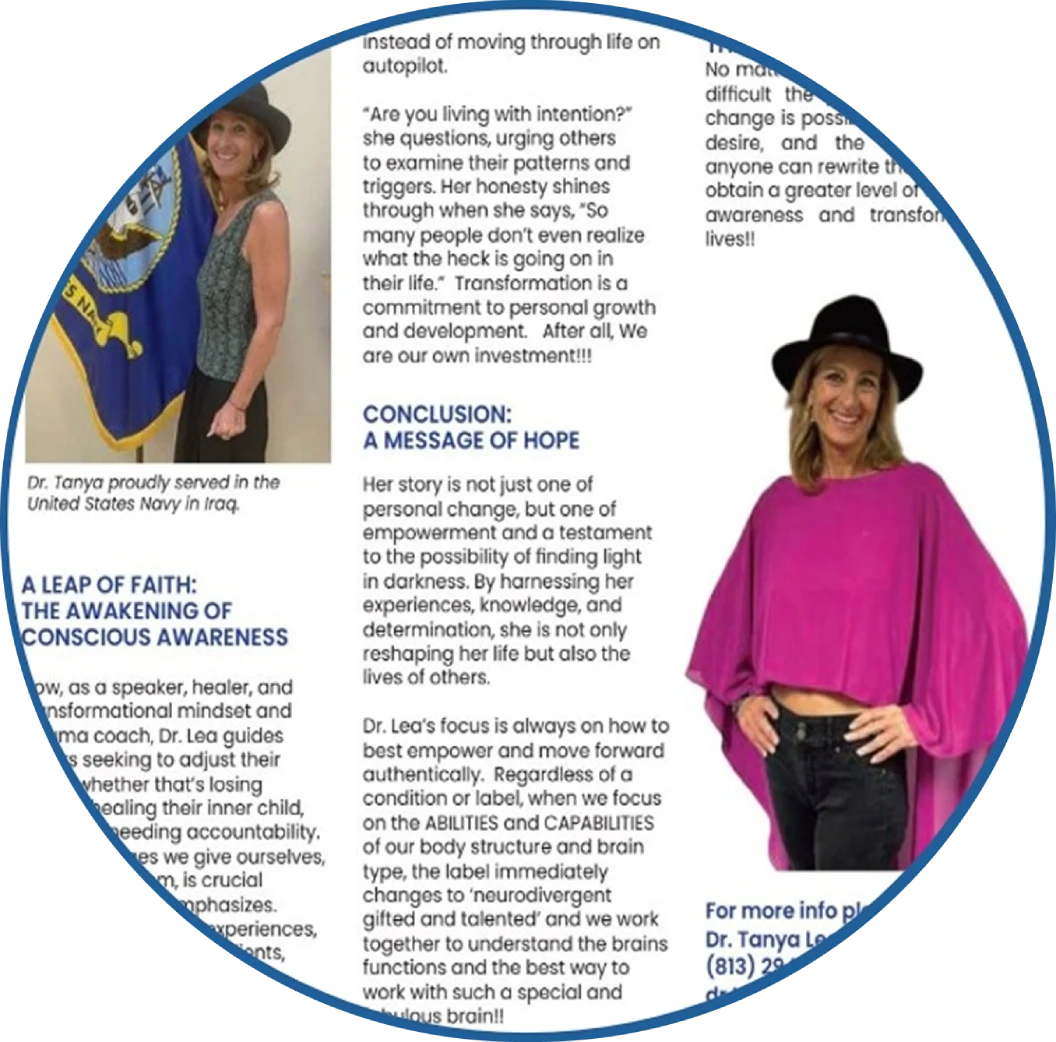
Dr. Tanya Lea's powerful journey from struggle to empowerment is making waves. In this exclusive magazine feature, she opens up about breaking free from trauma, rewiring the subconscious, and stepping into true healing and transformation.

Read Dr. Tanya's Story, Pages 10–13
Dr. Tanya Lea featured in magazine

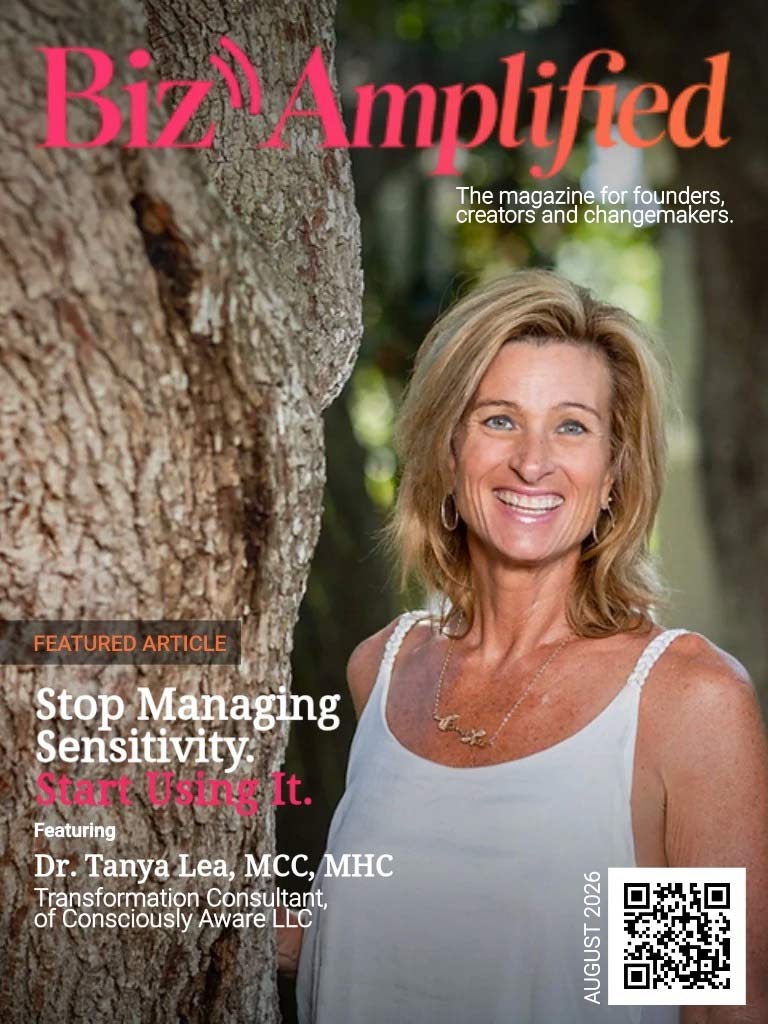
Stop Managing Sensitivity.
Start Using It.

Dr. Tanya Lea is the featured cover story in Biz Amplified, the magazine for founders, creators, and changemakers, sharing how sensitivity isn't a liability to manage but a strength to use.

Dr. Tanya Lea featured on the cover of Biz Amplified magazine

Some of the most important
lessons are lived.

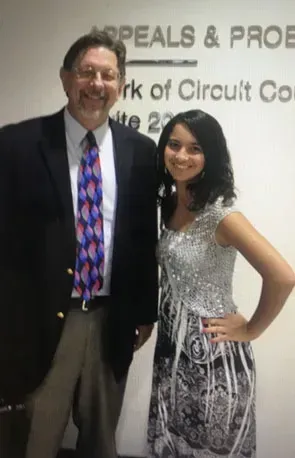
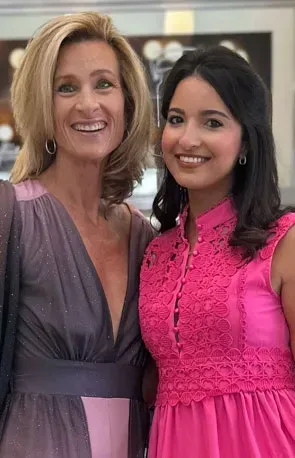
Dr. Tanya Lea and Imane traveling
Dr. Tanya Lea and Imane

For much of her adult life, Dr. Tanya Lea wanted to be a mother. After years of fertility treatments, IVF, insemination, and adoption processes that opened and closed, life unfolded in a way she never could have planned.

At fourteen, Imane came to the United States from Morocco. She spoke no English. Tanya spoke no Arabic. They came from different cultures, different faiths, and very different life experiences.

There was no handbook for what came next.

They learned each other.

Through trial and error, patience, boundaries, misunderstandings, laughter, frustration, second chances, and love, they built a life together.

Tanya couldn't rewrite Imane's first fourteen years. She could help create an environment in which what came next could be different.

Imane learned English, found her confidence and her voice, pursued her education, built a career, and created a life of her own.

People have often credited Tanya with changing Imane's life.

Tanya sees it differently.

She did not create the woman Imane became. Imane did that.

Tanya had the privilege of believing in what was possible, creating different possibilities around her, and walking beside her as she found her own way.

And somewhere in the process, they changed each other.

That relationship reinforced something Tanya now carries into every part of her work: we cannot create change for another person. We can listen, challenge, support, create space for possibility, and walk beside someone while they do the work that belongs to them.
We don't have to understand
everything before we begin.

We may know exactly what we want to change. We may simply recognize a pattern that keeps showing up. Either is enough.

A conversation gives us a place to begin exploring what's happening, what may be shaping it, and what could become possible when we understand it differently.

No pressure. No performance. No expectation that we arrive with all the answers. Awareness gives us somewhere to begin.