Nervous System
Which Half of the Room Comes Home With Us?
100 people enjoyed it and 10 didn't. Why the 10 follow us home, and how to tell healthy reflection from rumination and overthinking.
Read article: Which Half of the Room Comes Home With Us?
Clear. Connect. Reset.
Join Dr. Tanya for the next
Reset Circle
A supportive small-group experience to quiet your mind, regulate your nervous system and feel more like you again.
Explore the next Reset Circle
Dr. Tanya Lea shares what Operation Song taught her about joy and the nervous system, why receiving can feel hard, and five ways to make room for good news.
I understood the weight of pain. I underestimated the weight of joy.
For years, I’ve been fluent in the hard emotions. Grief. Fear. Anxiety. Trauma. I’ve lived them, studied them, and built my life’s work around helping people move through them.
What I never stopped to consider was what the good feelings do to us. How a heart can be completely full while the body underneath it feels anything but settled.
Then something happened that made me consider it.
This year, I was selected for Operation Song.
If you haven’t heard of it, Operation Song pairs veterans with professional songwriters to turn their stories into music. Grammy- and Dove Award-nominated Nashville songwriter Bob Regan started it in 2012, with weekly sessions at a VA medical center in Murfreesboro, Tennessee. Since then, veterans, service members and their families have written more than 2,000 songs through the program, and it has never charged them a cent.
As someone who has spent most of my life on the giving side, being on the receiving end of something this meaningful almost undid me.
The gratitude. The anticipation. The excitement. The joy.
My heart was overflowing. My nervous system was on high alert.
And not long after, I spent five days in the hospital.
I want to be clear: there were medical factors involved, and I’m not saying excitement put me there. But that week opened my eyes to something I hadn’t fully appreciated.
Our bodies don’t only respond to what hurts us. They respond to what moves us, too.
Once I was home, I went looking for answers. Here’s what I found, in plain terms.
Excitement and anxiety feel a lot alike. Both are high-energy states. Racing heart, buzzing energy, trouble sitting still. Harvard researcher Alison Wood Brooks found that people who told themselves “I’m excited” before singing karaoke, giving a speech or tackling hard math actually did better than people who tried to calm down. Her work was about performance nerves, but it explained so much about how my heart could be overflowing while my body braced like something was wrong.
Good news is still change. Back in 1967, two psychiatrists made a list of life events that ask us to adjust. Right alongside the losses, they included things most of us would celebrate, like getting married and going on vacation. There’s even a word for it: eustress, the “good” kind of stress. A welcome change is still a change.
For most of us, joy is gentle on the body. This is the reassuring part. When researchers pooled 180 studies on positive emotions, they found that feelings like gratitude, awe and amusement usually cause little or no change in the nervous system. Most of the time, happiness isn’t a big physical event.
Joy can even help you recover. Psychologist Barbara Fredrickson found that when people felt contentment or amusement after a stressful experience, their hearts settled back down faster. Researchers call it the “undoing effect,” and I love that phrase. Good feelings can help undo the hard ones.
And very rarely, a happy moment can strain the heart. There’s a temporary condition called takotsubo syndrome, often called “broken heart syndrome,” where a flood of stress hormones affects how the heart pumps. It usually follows grief, fear or shock. But in one large study of 1,750 patients, 20 cases came after happy events: a birthday party, a son’s wedding, becoming a grandmother. The researchers called it “happy heart syndrome.”
Twenty people out of 1,750. That’s rare. I’m not telling you this to make you afraid of happiness, and I’m not saying it’s what happened to me. I’m sharing it because it shows the body’s response to joy is real. It deserves our attention, not our fear.
The biggest lesson for me wasn’t really about my heart. It was about receiving.
When you’re used to being the one who gives, the one who shows up and keeps everyone okay, being on the other side can feel strangely unfamiliar. Even when it’s beautiful. Even when it’s exactly what you hoped for.
Psychologists have studied a version of this called fear of compassion. Paul Gilbert and his colleagues found that some people genuinely struggle to let warmth and care in from others, and that this often goes hand in hand with being hard on ourselves.
Maybe you know the feeling. Someone thanks you, and you wave it off. Someone offers help, and you say, “Oh, I’ve got it.” Someone celebrates you, and you can’t wait for the spotlight to move.
That isn’t a flaw. It’s a pattern, and patterns can change. If you’re the one who always gives, the People Pleaser’s Reset Circle was built around exactly this.
Big good news is a real event for your body. Here are five gentle ways to let it land. (They aren’t medical advice and don’t replace care from your doctor.)
Plan for the good days like you plan for the hard ones. A wedding, a promotion, a reunion, an honor. Protect your sleep, keep regular meals, and leave open space on your calendar for the days after the big day, not just the day itself.
Call it excitement. When your heart races before something wonderful, you don’t have to force yourself calm. Try saying, “I’m excited.” It’s a small reminder that the buzz is anticipation, not danger.
Give yourself a soft landing. After a big day, choose something calm and pleasant: a quiet walk, a slow meal, or a sound bath at the Consciously Aware Studio. Let your body catch up with your heart.
Practice receiving in small doses. Next time someone compliments you, thanks you or offers help, just say “thank you” and stop there. No deflecting, no rushing to give something back. Notice what happens in your body. Discomfort isn’t failure. It’s information.
Listen when your body speaks up. Takotsubo can look a lot like a heart attack: chest pain, shortness of breath, dizziness. If you feel any of that, call 911, even if you think it’s “just excitement.” And if anxiety or old trauma keeps surfacing, talk with your doctor or a licensed mental health professional.
I’m still sitting with what this experience taught me. But one thing feels certain.
Awareness isn’t only about recognizing what weighs us down. It’s also about learning to make room for what lifts us up.
If you’re ready to explore what that might look like in your own life, start a conversation with me. We can talk about what you’re carrying, and what might be ready to lift.
For veterans: If you’re a veteran in crisis, or worried about one, you can reach the Veterans Crisis Line by dialing 988 and pressing 1, or by texting 838255.

Nervous System
100 people enjoyed it and 10 didn't. Why the 10 follow us home, and how to tell healthy reflection from rumination and overthinking.
Read article: Which Half of the Room Comes Home With Us?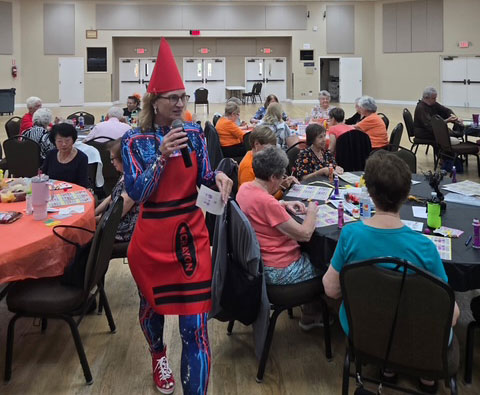
Nervous System
Twice a year I help run a bingo fundraiser, and every time it teaches me the same thing about trying to please a room that can't all be pleased.
Read article: A Room Full of Bingo Players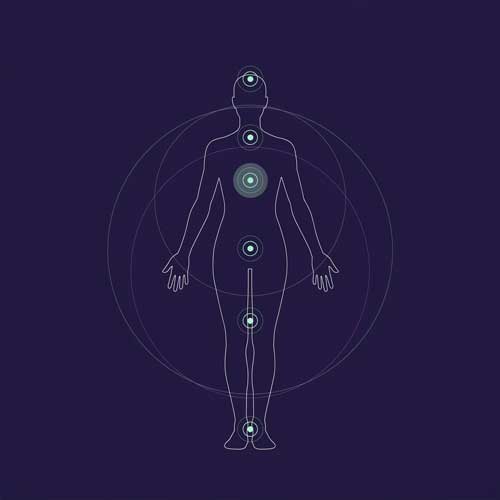
Highly Sensitive People
Exhausted by other people's moods and told you're "too much"? These 17 signs point to a real nervous-system trait, not something broken in you.
Read article: 17 Signs You're a Highly Sensitive Person (Not "Too Much")Still not sure
You don’t need to choose the perfect service before you start. Tell Dr. Tanya what’s going on, and together you can explore what kind of support makes the most sense for you.